Mahabharata
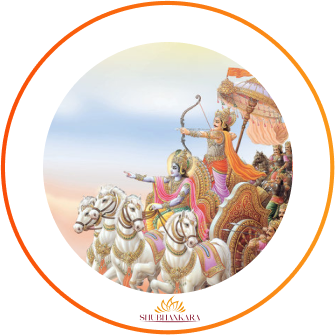
Mahabharata Katha is a traditional narrative performance that involves reciting and storytelling from the epic Mahabharata.
Find The Pooja You Need

The Mahabharata is one of the world's longest epic poems, written by the sage Vyasa. The Mahabharata Katha is a revered Hindu tradition in which knowledgeable storytellers or scholars recite, interpret, and elaborate on the epic. The Katha is a platform for disseminating moral, ethical, and philosophical teachings embedded in the epic narrative.
Rituals
The Mahabharata Katha ceremony typically includes the following rituals:
- Preparation: The organizers plan the Katha, including selecting a venue, inviting a skilled storyteller or scholar knowledgeable about the Mahabharata, and publicizing the event to devotees and the local community.
- Invocation: The ceremony begins with the chanting of auspicious mantras and prayers invoking the blessings of Lord Krishna, the Supreme Personality of Godhead, and other divine beings. This fosters a sacred environment conducive to spiritual contemplation.
- Recitation and Exposition: The primary component of Mahabharata Katha is the recitation and elaboration of specific episodes or chapters from the Mahabharata. The storyteller narrates the epic's events, characters, and teachings, shedding light on the complex themes of dharma, karma, and spirituality.
- Discussion and Interpretation: After the recitation, the storyteller leads discussions, interpretations, and reflections on the Mahabharata's moral and philosophical themes. Questions are encouraged, and participants are invited to share their thoughts and ideas.
- Conclusion and Prayers: The Mahabharata Katha ends with prayers of gratitude and devotion, expressing gratitude for the opportunity to hear and reflect on the epic's teachings. The audience pays obeisance to the storyteller, seeks blessings, and expresses their dedication to upholding dharma and living a moral life.
Procedure
- Preparation: Includes organizing the event, setting up the venue, inviting a skilled storyteller, and publicizing the Katha to devotees and the local community.
- Invocation: Invocation entails reciting auspicious mantras and prayers to invoke the blessings of Lord Krishna and other divine beings.
- Recitation and Exposition: The storyteller narrates and elaborates on selected episodes or chapters from the Mahabharata, explaining their moral, ethical, and philosophical significance.
- Discussion and Interpretation: Engaging the audience in discussions, interpretations, and reflections on the epic's teachings, encouraging questions and sharing insights.
- Conclusion and Prayers: End the Katha with prayers of gratitude and devotion, seeking blessings and expressing a commitment to upholding dharma and living a righteous lifestyle.
Note:- All homa/havana Samagri will be brought by our priests to ensure the best of services
Find The Pooja You Need
Experienced Pandits
Our team comprises highly experienced and knowledgeable Pandits who specialize in various Vedic rituals and ceremonies, ensuring the authenticity and precision of every puja.
Customized Rituals
Tailored to your preferences, our Pandits seamlessly adapt, whether for a traditional ceremony or a modern twist, ensuring a memorable and meaningful experience.
Educational Insights
Our Pandits go beyond performing rituals, offering insights into the significance of each ceremony. This touch enhances your spiritual experience, adding profound meaning.
What our valuable customers say